NJ MASTER PLUMBING LIC No 12026

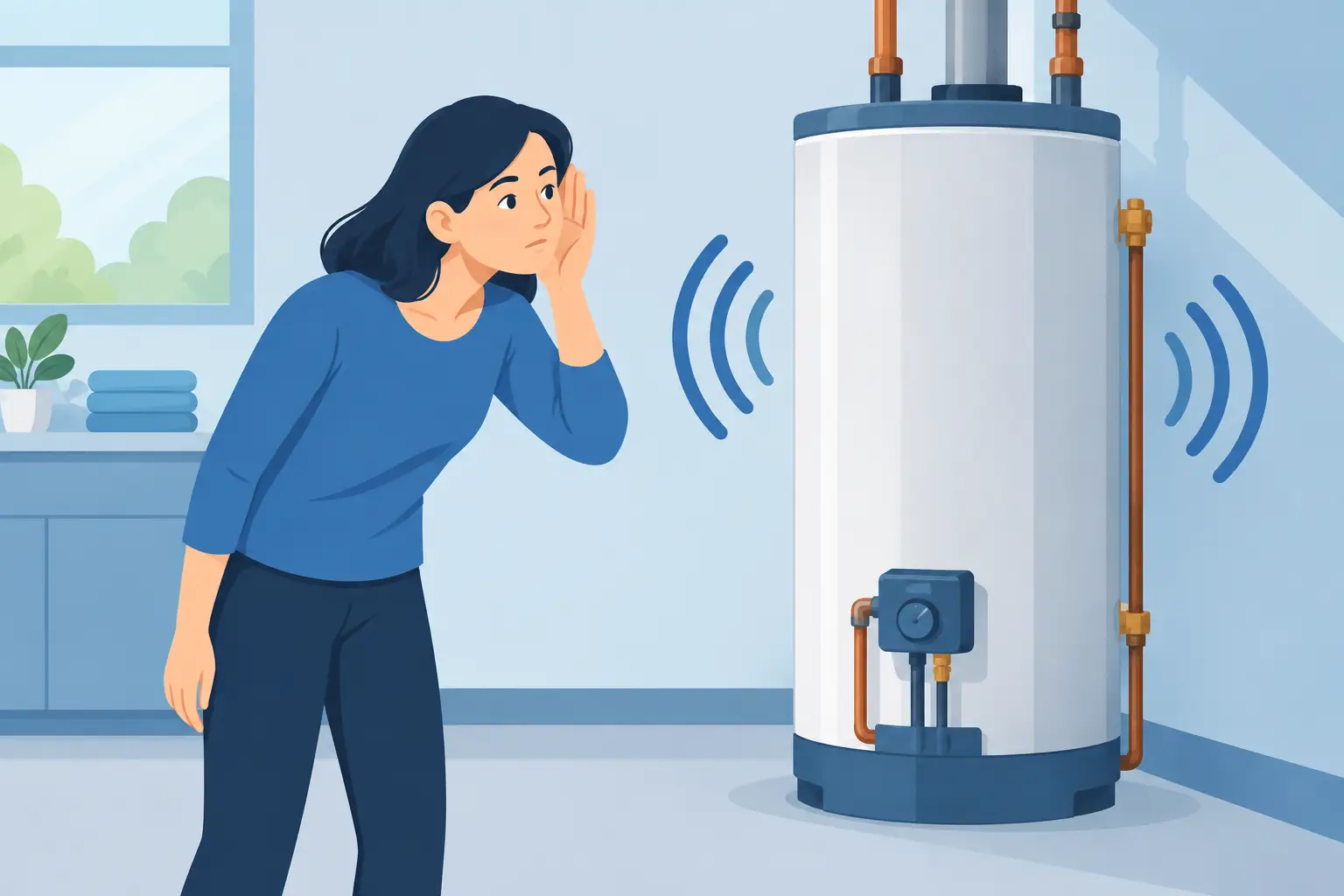
A noisy water heater is easy to ignore when the hot water is still running. But popping, rumbling, whistling, or banging can be the first sign that sediment, pressure, a valve, or a heating component needs attention. The sound itself does not always mean an emergency, but it does give you useful information about what may be happening inside the system.
For New Jersey homeowners, landlords, and business owners, the right response depends on the noise, the type of water heater, and whether other warning signs are present. Acting early can often prevent a cold shower, water damage, a higher utility bill, or an unexpected replacement.
Why Is Your Water Heater Making Noise?
Water heaters heat and store water under pressure, so some operational sound is normal. You may hear a gentle burner ignition on a gas unit, water moving through pipes, or a brief hum from an electric model. What is not normal is a new, loud, repeated, or worsening sound, especially when it comes with leaking water, inconsistent temperatures, rusty water, or a smell of gas.
The most common cause is mineral sediment. New Jersey water can carry minerals that settle at the bottom of a tank over time. As the burner or electric elements heat the water, steam can become trapped beneath that buildup. The resulting popping or rumbling is the sound of water forcing its way through the sediment layer.
Sediment is not always an immediate failure, but it makes the system work harder. That can reduce efficiency, shorten tank life, and create hot spots that wear down the bottom of the tank.
Common Noisy Water Heater Sounds and Their Causes
Popping or rumbling
Popping, crackling, or low rumbling usually points to sediment in a conventional tank-style water heater. This is especially common in older units and heaters that have not been flushed as part of routine maintenance.
A professional flush may remove loose mineral buildup and improve performance. However, the right approach depends on the heater’s age and condition. On a heavily corroded or aging tank, flushing may reveal an existing weak spot rather than create a new one. A licensed plumber can inspect the unit and explain whether maintenance or replacement is the smarter investment.
Banging or knocking
A sharp bang when you turn on a faucet, dishwasher, or washing machine may be water hammer. This happens when fast-moving water suddenly stops and sends pressure through the plumbing lines. The noise may seem like it is coming from the water heater, but the issue can be loose pipes, high water pressure, or missing water hammer arrestors elsewhere in the home.
Because pressure affects more than one fixture, it is worth having the full plumbing system checked. Excessive pressure can put unnecessary strain on supply lines, valves, appliances, and the water heater.
Whistling or screeching
A high-pitched whistle can be caused by water moving through a partially closed valve, a restricted line, or a failing temperature and pressure relief valve. Check whether the cold-water supply valve above the heater is fully open, but do not force a valve that is stuck or corroded.
If the sound is loud, continuous, or comes from the relief valve area, schedule service promptly. The temperature and pressure relief valve is a critical safety component. It should release water only when needed to protect the tank from dangerous pressure or temperature conditions.
Hissing or sizzling
Hissing needs closer attention because it can mean different things. A small leak dripping onto a hot burner or hot surface can make a sizzling sound. On an electric heater, a damaged component or leak near electrical connections can also create concerning noise.
Look around the unit without touching hot pipes or electrical parts. If you see water pooling, moisture around the base, or active dripping from the tank body, call for repair. A leak from a fitting or valve may be repairable. A leak from the tank itself often means replacement is needed.
Humming or buzzing
Electric water heaters may make a low humming sound when an element vibrates as water flows around it. In some cases, this is a minor issue. In others, it can indicate a loose heating element or mineral accumulation affecting how the unit heats.
Buzzing can also be electrical. If the noise is new, strong, or paired with tripped breakers, turn off power to the water heater at the breaker panel and arrange professional service. Electrical repairs around a water heater should not be a do-it-yourself project.
Ticking or tapping
Ticking often comes from expanding and contracting pipes as hot water moves through the plumbing system. It is usually harmless, particularly if it happens only while hot water is in use. Still, frequent tapping can also point to pipes rubbing against framing or inadequate pipe support.
If the noise becomes disruptive or suddenly changes, a plumber can identify where the pipes are moving and recommend a lasting correction.
When a Noisy Water Heater Needs Immediate Help
Some sounds can wait for a scheduled appointment. Others call for fast action. Turn off the water heater and contact a licensed plumber right away if you have a gas smell, visible leaking from the tank, steam, a continuously discharging relief valve, scorching hot water, or repeated breaker trips.
If you smell natural gas, do not operate switches, use a phone near the appliance, or try to relight the pilot. Leave the area, call your gas utility from a safe location, and follow its emergency instructions. If anyone feels dizzy, nauseated, or develops a headache near a gas-burning appliance, get outside and seek emergency help.
For a major water leak, shut off the cold-water supply valve above the heater if it is safe to do so. If water is spreading quickly, use the main water shutoff for the property. A prompt response can limit damage to flooring, walls, and nearby belongings.
What You Can Check Before Calling a Plumber
You do not need to take apart a water heater to provide helpful details. Start by noting when the sound occurs. Does it happen only during a shower, when the burner starts, or all day? Check for water around the base, a drip from the relief valve discharge pipe, changes in water temperature, or discolored hot water.
Also check the heater’s age. Most tank water heaters last roughly 8 to 12 years, although maintenance, water quality, and usage can affect that range. A 12-year-old tank that is rumbling, leaking, and delivering unreliable hot water may be better replaced than repeatedly repaired.
Avoid removing access panels, adjusting gas controls, capping a relief valve discharge pipe, or draining a tank unless you know the system and can do so safely. A simple-looking water heater includes pressurized water, high heat, gas or electricity, and safety controls that must work together correctly.
Preventing Water Heater Noise and Early Failure
Regular maintenance is the best way to reduce sediment-related noise. For many tank-style heaters, that means periodic flushing, testing safety components, inspecting connections, and checking the anode rod. The anode rod helps protect the tank from corrosion, but it wears down over time and may need replacement before the tank itself is damaged.
The proper maintenance schedule depends on your water quality, the age of the heater, and manufacturer recommendations. Homes with harder water may need more frequent attention. Tankless water heaters also need maintenance, including descaling when mineral buildup affects internal components.
A professional inspection can also catch pressure issues before they affect the water heater. If the home’s water pressure is too high or thermal expansion is not being managed correctly, the repair may involve more than the heater itself.
Repair or Replace a Noisy Water Heater?
Repair is often the right choice when the unit is relatively new and the problem is isolated, such as a faulty valve, worn heating element, loose connection, or sediment that can be safely addressed. Replacement becomes more practical when the tank is leaking, corrosion is advanced, repairs are adding up, or the heater is near the end of its expected life.
Capacity matters, too. A growing family, a remodeled bathroom, or added commercial demand can reveal that the existing heater was undersized from the start. In that case, replacing it with the same size may solve the noise but not the hot-water shortage.
DrainPro Plumbing Services can inspect the cause of the noise, explain the repair options in plain language, and provide transparent pricing before work begins. Whether the fix is maintenance, a targeted repair, or a new water heater installation, the goal is dependable hot water without unnecessary disruption.
A water heater rarely gets quieter by itself. If the sound is new or getting louder, a timely inspection gives you the best chance to correct a small problem before it becomes a cold-water emergency.