NJ MASTER PLUMBING LIC No 12026

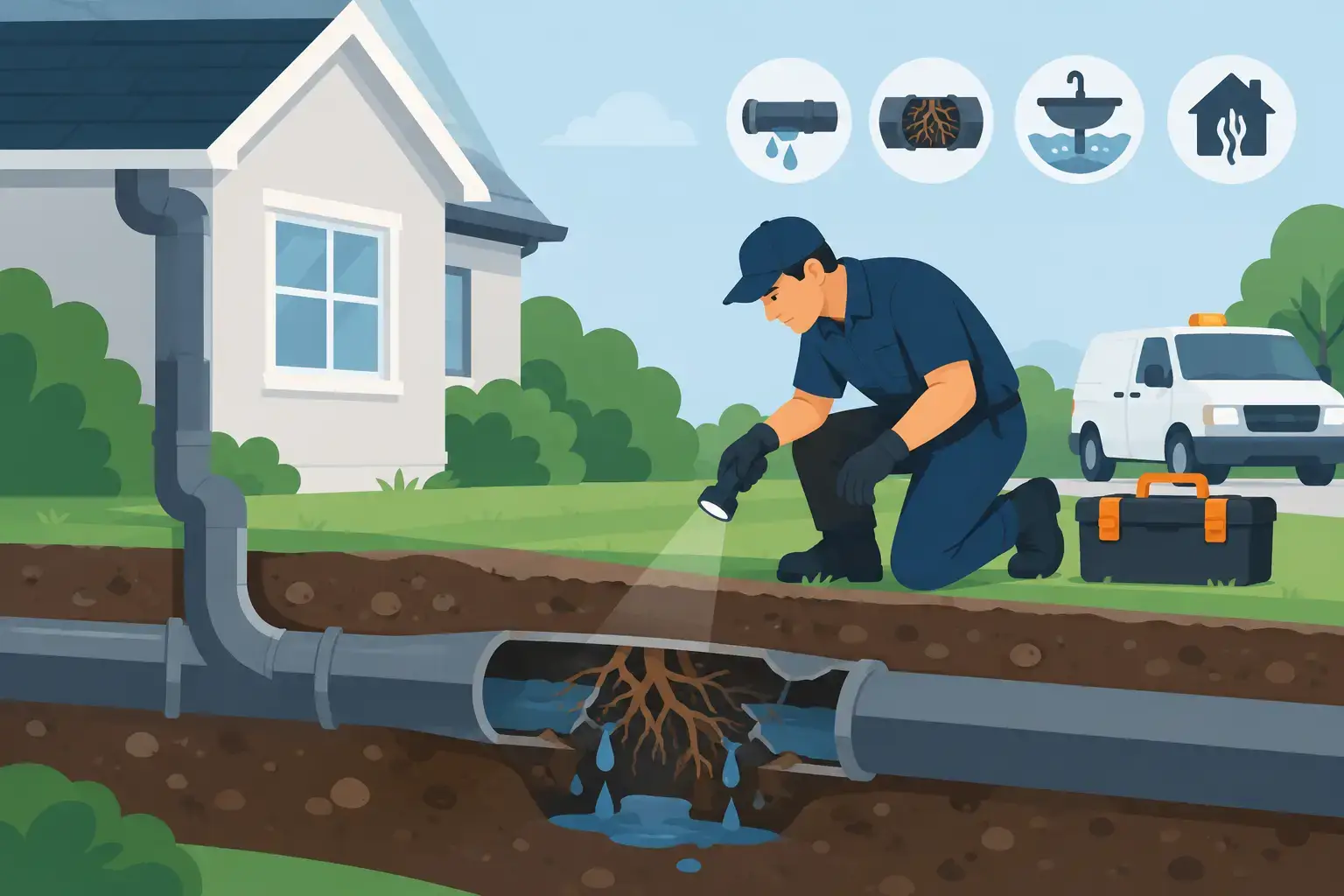
A sewer problem rarely starts with a dramatic backup. More often, it begins with a drain that gurgles after the washing machine runs, a toilet that bubbles, or a stubborn odor near a floor drain. Sewer repair at the right time can stop a small warning sign from becoming a messy, disruptive problem inside your home or business.
For New Jersey property owners, the goal is not to guess at the cause or keep reaching for another bottle of drain cleaner. The goal is to identify what is happening in the line, protect the property, and choose a repair that makes sense for the condition of the sewer system.
Signs You May Need Sewer Repair
A single slow sink can be a local drain clog. When several fixtures are affected at once, the issue may be farther down the plumbing system. Pay attention if toilets, tubs, showers, and sinks begin draining slowly at the same time, especially on the lowest level of the building.
Water coming up through a basement floor drain is another serious warning sign. That drain is often the lowest opening connected to the system, so it may be the first place wastewater appears when the main sewer line is blocked or unable to carry flow away from the property.
Recurring clogs also deserve a closer look. If a toilet or shower drain needs attention repeatedly, the line could have a partial blockage, root intrusion, a damaged section of pipe, or a problem with the pipe’s slope. Clearing the immediate clog may restore flow for a while, but it does not necessarily address the reason it keeps returning.
Outside, look for unusually green or wet patches in the yard, sinkholes, or foul sewer odors near the home. These conditions can point to a leaking underground sewer line. In a commercial setting, odors, repeated restroom backups, and interrupted operations can affect employees and customers quickly, making prompt professional service especially important.
What Causes Sewer Line Problems?
Tree roots are one of the most common causes of sewer trouble in established New Jersey neighborhoods. Roots naturally seek moisture and can enter small openings at pipe joints or cracks. Once inside, they grow and catch toilet paper, grease, and other debris until wastewater can no longer pass freely.
Age is another factor. Older properties may have clay, cast-iron, Orangeburg, or other aging pipe materials that can crack, corrode, shift, or collapse over time. Ground movement, heavy rain, construction activity, and changes in soil conditions can add stress to an already weakened line.
Not every sewer issue is caused by the pipe itself. Grease, wipes labeled as flushable, paper towels, hygiene products, and excessive amounts of debris can create major blockages. Even a newer system can develop a backup when items that do not break down properly are sent down drains or toilets.
The cause matters because it affects the right solution. A buildup of grease may respond well to professional drain cleaning. Roots may require cutting and clearing, followed by a discussion about repair if the pipe has openings that will keep allowing roots back in. A collapsed line or separated pipe section generally requires a more substantial repair or replacement.
How a Professional Sewer Inspection Helps
The most reliable way to understand a sewer problem is to inspect the line. A plumbing professional can begin by reviewing where and when backups occur, then use the appropriate drain-clearing and inspection equipment to locate the issue.
A sewer camera inspection provides a view inside the pipe. It can reveal root growth, standing water, cracks, offsets between pipe sections, heavy buildup, and damaged areas. This step helps avoid unnecessary digging and gives the property owner a clearer explanation of what needs to be done.
Inspection also helps distinguish between a private sewer line problem and an issue that may involve the municipal connection. In many cases, the property owner is responsible for the line running from the building to the connection point, but responsibility can vary by location and circumstances. A licensed plumber can help identify the affected area and explain the next practical step.
Good diagnosis should come before a recommendation for major work. If the line can be safely cleared and monitored, that may be the sensible choice. If a camera shows a failing pipe that is likely to back up again, a lasting repair may be the better investment.
Sewer Repair Options Depend on the Damage
There is no one repair that fits every sewer line. The condition, material, depth, access, and location of the damaged pipe all influence the scope of work and cost.
For a localized break, crack, or root-damaged section, spot repair may be possible. This involves accessing the affected section, removing the failed pipe, and installing a properly connected replacement section. It can be a practical option when the rest of the line is in good condition.
When damage is widespread, a larger replacement may be recommended. This is more likely with severely corroded cast iron, broken clay pipe, repeated root intrusion at multiple joints, or a line that has lost its proper slope. Replacement is a bigger project, but it may prevent repeated emergency calls and ongoing cleanup costs.
In some situations, trenchless repair methods may be available. These approaches can reduce excavation compared with traditional digging, which may help preserve landscaping, sidewalks, or driveways. They are not always the right fit, however. A fully collapsed line, certain pipe layouts, or access limitations can make excavation necessary. A qualified plumber should explain the available options, what each one solves, and what the work will involve before repairs begin.
What to Do During a Sewer Backup
If wastewater is backing up into a tub, toilet, sink, or floor drain, stop using water right away. Do not run the dishwasher, washing machine, or garbage disposal, and ask everyone in the building to avoid flushing toilets. More water in the system can make the backup worse.
Keep people and pets away from contaminated water. Sewer backups can contain harmful bacteria, and cleanup may require protective equipment and professional restoration depending on the extent of the damage. Avoid trying to clear a main line with chemical drain cleaners. These products can be unsafe to handle, may damage some piping, and rarely solve a serious sewer obstruction.
Call a licensed plumbing professional for an assessment. For an active backup, speed matters, but so does clear communication. You should understand whether the immediate goal is to restore flow, inspect the line, or both, as well as what repair may be needed afterward.
Preventing Future Sewer Problems
A few habits can reduce the chance of an avoidable sewer clog. Only human waste and toilet paper should go into toilets. Wipes, even products marketed as flushable, should go in the trash. Grease should be collected in a container and disposed of after it cools instead of being poured into a kitchen drain.
Properties with mature trees, older sewer piping, or a history of backups can benefit from periodic sewer inspections and professional cleaning. Maintenance cannot prevent every pipe failure, but it can catch root growth and buildup before wastewater reaches the home.
If you are buying an older property, planning a major remodel, or adding bathrooms or appliances that increase water use, consider having the sewer line evaluated. A sewer system that has handled one household for decades may need attention before it is asked to handle more demand.
When sewer trouble interrupts your home or business, you need more than a quick guess. DrainPro Plumbing Services provides responsive sewer diagnostics and repair with clear communication, transparent pricing, and work focused on getting your system operating reliably again. Acting on early warning signs can protect your property, your schedule, and your peace of mind.