NJ MASTER PLUMBING LIC No 12026

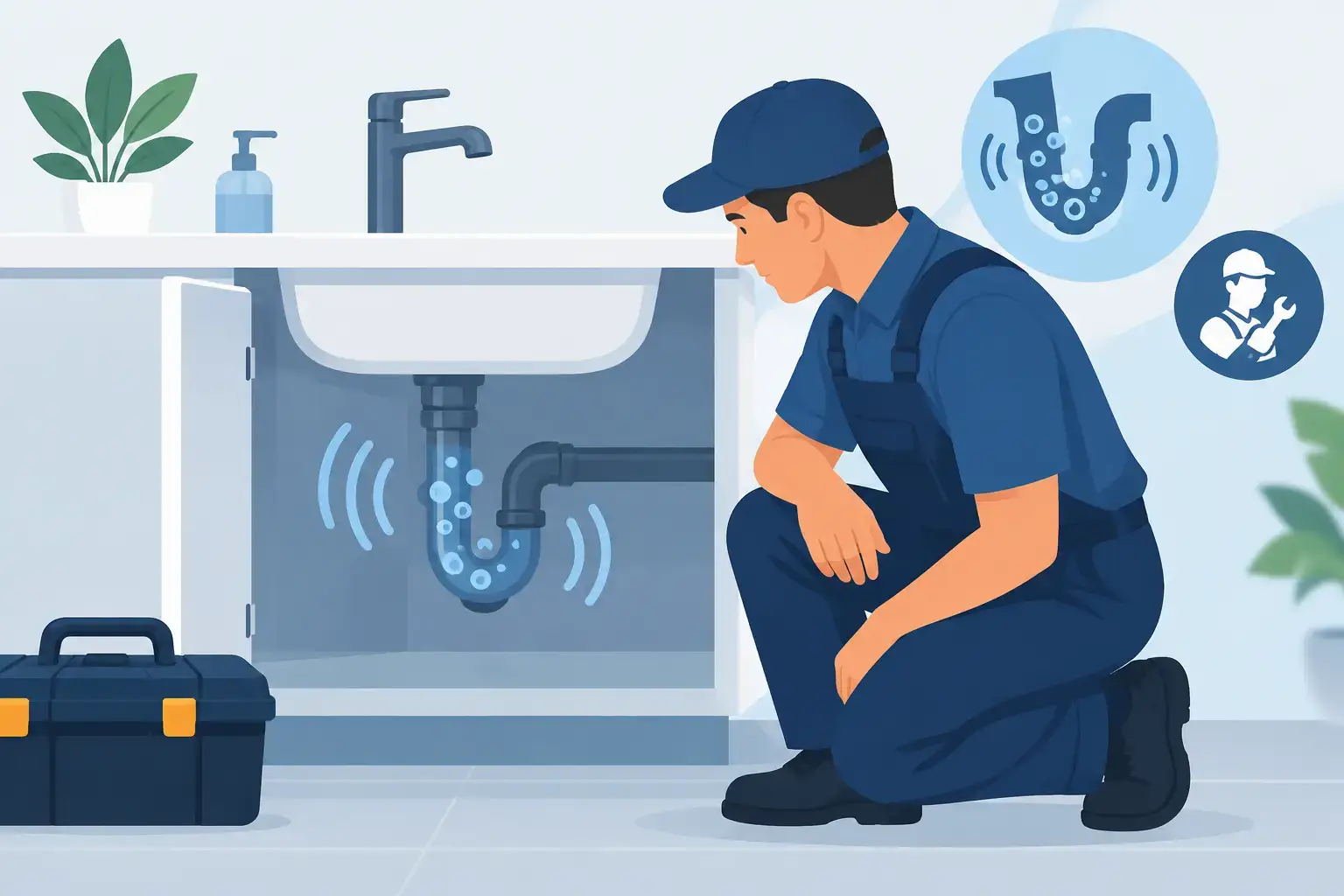
A drain that gurgles is not just making an annoying sound. It is often telling you that air and water are not moving through your plumbing system the way they should. Understanding why drains gurgle can help you catch a developing clog, vent problem, or sewer line issue before it turns into a backup, leak, or avoidable water damage.
The occasional small sound after a sink or tub drains may not require an emergency call. But frequent gurgling, especially when it affects more than one fixture, deserves prompt attention. Your plumbing system is designed to drain quietly. When it does not, there is usually a reason.
Why Drains Gurgle in the First Place
Every drain needs a clear path for wastewater and a reliable path for air. As water moves through a pipe, air has to move with it to keep pressure balanced. Plumbing vents, which typically run through the roof, allow that air to enter and leave the system safely.
When a clog, obstruction, or venting problem interferes with that balance, the drain may pull air through standing water in a fixture trap. That movement creates the familiar bubbling or gurgling noise. It can happen in a kitchen sink after the dishwasher runs, in a shower when the toilet flushes, or in a basement drain during laundry.
The location and timing of the sound matter. One noisy sink usually points to a local problem. Several gurgling fixtures may point farther down the line, including the main sewer connection.
Common Reasons a Drain Starts Gurgling
A partial drain clog is slowing the flow
A partial clog is one of the most common causes. Grease, soap residue, hair, food debris, paper products, and mineral buildup can narrow the inside of a pipe over time. Water may still get through, but it moves less freely and pushes or pulls air in unusual ways.
Kitchen drains often collect grease and food particles. Bathroom sinks and tubs commonly develop hair and soap buildup. In either case, the problem can build gradually, so homeowners may first notice a slower drain, then bubbling sounds, then a complete clog.
A plunger can sometimes help with a minor, nearby blockage. However, repeated plunging or using harsh chemical drain cleaners is not a lasting solution for a recurring problem. Chemical products can damage certain pipes, weaken joints, and create a safety concern for the person who later services the line.
The plumbing vent is blocked or not working correctly
A vent obstruction can cause gurgling even when the drainpipe itself is mostly clear. Leaves, nests, debris, snow, or other material can block a roof vent. Older plumbing systems may also have damaged, undersized, or improperly installed venting.
Vent issues can be difficult to identify without proper testing because the trouble is often above the fixtures, out of sight. Climbing onto a roof to inspect or clear a plumbing vent is not a good do-it-yourself project. It creates a fall risk and may not address a deeper issue in the vent or drain system.
A licensed plumber can determine whether the gurgling is caused by a blocked drain, a venting problem, or a combination of both. Getting the diagnosis right prevents paying for a quick fix that does not solve the source of the noise.
The main sewer line has a developing blockage
When a toilet flush makes the shower drain bubble, or running the washing machine causes a nearby sink to gurgle, the issue may be in the main sewer line. This line carries wastewater from the home to the municipal sewer system or septic system.
Main line blockages may develop from wipes, excess paper, grease, scale, foreign objects, or debris. In many New Jersey neighborhoods with mature trees, roots can also enter older sewer pipes through small openings or deteriorated joints. Once roots find moisture inside a line, they can expand and catch waste, making blockages more likely.
This is a situation where delay can be costly. If the main line closes completely, wastewater can come back up through a lower-level shower, tub, floor drain, or toilet. A professional drain cleaning and, when appropriate, a sewer camera inspection can show what is happening inside the pipe and help determine whether clearing, repair, or replacement is needed.
A fixture trap may be dry or siphoned
The curved section of pipe below a sink, shower, or floor drain is called a trap. It holds water to block sewer gases from entering the building. If a trap dries out, often in a rarely used bathroom or utility area, you may hear unusual sounds and notice sewer odors.
Simply running water in an unused fixture may restore the water seal. But if the trap repeatedly loses water, the issue could be siphoning caused by poor venting or a drain blockage. That calls for a professional inspection, particularly if odors continue.
Sewer line damage or shifting pipes can affect drainage
Not every gurgling drain is caused by a simple clog. Aging pipes can crack, sag, separate at joints, or shift as soil settles. A low spot in the line can hold water and debris, restricting flow over time. Tree roots can worsen existing weaknesses, and older cast-iron or clay sewer lines can deteriorate from the inside.
The trade-off is that a basic drain clearing may restore flow temporarily while a damaged section remains. A camera inspection provides useful information when gurgling keeps returning, drains are slow throughout the property, or there has been a history of sewer backups.
Signs It Is Time to Call a Plumber
A single brief gurgle may not be urgent, but you should not ignore patterns. Call for professional drain service when the problem becomes frequent, when several fixtures are involved, or when water begins backing up.
Pay close attention if you notice any of these warning signs:
- A toilet bubbles when a sink, shower, or washing machine drains.
- Water rises in a tub or shower after flushing a toilet.
- More than one drain is slow at the same time.
- Sewage odors are coming from drains or around the property.
- A floor drain, toilet, or lower-level fixture backs up.
- You have had recurring clogs despite plunging or using store-bought products.
A backup involving wastewater should be treated as urgent. Keep people and pets away from the affected area, avoid using water fixtures, and arrange service promptly. Continuing to run water can force more wastewater into the home or business.
What You Can Safely Do Before Help Arrives
Start by reducing water use. Do not run the dishwasher, washing machine, showers, or extra faucets if you suspect a main drain or sewer problem. The less water entering the system, the lower the chance of a backup.
If only one sink is gurgling and there is no backup, remove any visible debris from the stopper or drain opening. You can try a plunger with enough water in the basin to create a seal. For a double kitchen sink, seal the second drain opening before plunging. Stop if the water begins rising in another fixture or if the problem returns quickly.
Avoid mixing chemical cleaners, and do not pour more products into a drain that has already been treated. These chemicals can splash back, produce fumes, and make professional service more hazardous. Never use a drain snake aggressively if you are unsure of the pipe material or layout, as it can damage a fixture, trap, or older pipe.
How Professional Drain Service Finds the Real Cause
A proper service call starts with questions: Which fixtures gurgle? When did it begin? Does flushing affect the shower or sink? Is there a history of tree roots, backups, or old sewer piping? Those details help narrow the diagnosis quickly.
From there, a plumber may test fixtures, inspect accessible piping, clear the line with the appropriate equipment, and use a sewer camera when conditions suggest a deeper obstruction or pipe defect. The goal is not simply to quiet the drain for a day. It is to restore proper flow and identify the reason the issue developed.
For homeowners, landlords, and small-business owners, clear communication matters just as much as the repair itself. DrainPro Plumbing Services provides straightforward recommendations, transparent pricing, and professional drain and sewer service for problems ranging from a stubborn local clog to a larger line concern.
Do Not Wait for the Gurgle to Become a Backup
Gurgling drains are often an early warning, which gives you an advantage. Addressing the noise while water is still draining can be simpler and less disruptive than responding after sewage reaches a finished basement, bathroom, or work area. If the sounds are recurring, affecting multiple fixtures, or paired with slow drainage or odors, scheduling a licensed plumbing inspection is the practical next step.